
Exploring the Impact of Baha’u’llah’s Station on Science, Religion, and Mysticism
The station of Baha’u’llah and its vast implications on wide fields as science, world religions, and mysticism. The station of Baha’u’llah, the founder of the Baha’i Faith, is a concept central to the belief system of the Baha’i community. It refers to the spiritual and mystical position that Baha’u’llah holds as the latest in a […] Read More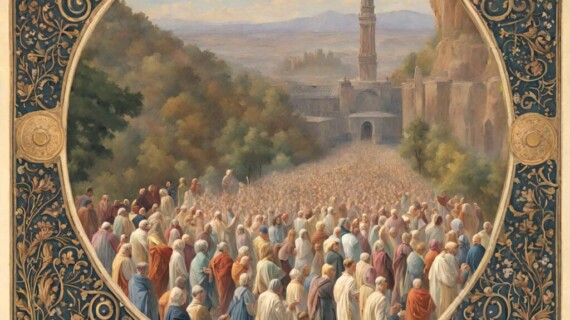
The “Marathon of the Spirit”: the Life and Fate of Mírzá ‘Alí Sayyáh, the Courier of the Báb
Being one of the earliest Bábis and an example of faithfulness, we will follow the life of Mírzá ‘Alí Sayyáh (“the traveller”) as courier of the Báb, his later acceptance of the Message of Bahá’u’lláh, his exile with Him to Istanbul and Edirne where he was recipient of Tablets, and finally his exile to Ottoman […] Read More
A Roadmap for a Moral Society – Equity and Justice
Justice is the principle of fairness, in which individuals are treated equally and impartially. Equity refers to fairness and impartiality, especially in the distribution of resources or the assignment of duties. In Roman mythology, justice is often depicted as a woman holding scales, symbolizing the weighing of evidence in a legal case. Emanuel Kant, a […] Read More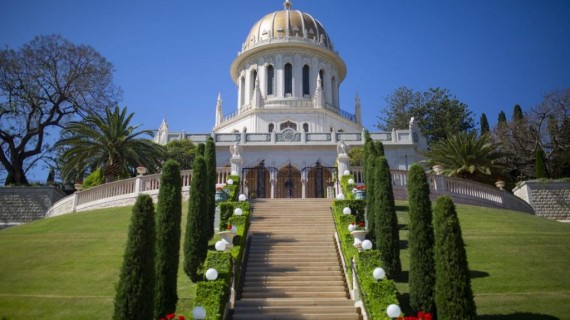

Interfaith Chaplaincy Services
As the demand for spiritual care surges across sectors—including healthcare, correctional facilities, corporate environments, and disaster relief—the need for versatile, interfaith leadership has never been greater. This curriculum provides the essential theological and ethical foundations required to support individuals from diverse religious and secular backgrounds. Participants will master practical skills in end-of-life counseling and crisis […] Read More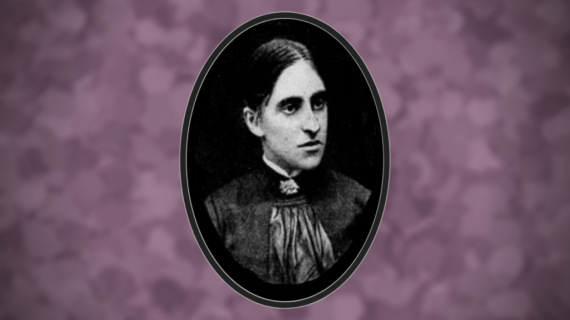
Who was Dr. Josephine Fallscheer-Zürcher, what did she do for the Bahá’í Faith?
– About the Tablets of ‘Abdu’l-Bahá to Germany and Austria – Some new findings on Prof. Forel and the Bahá’í Faith Read More

12th Day of Ridván
Festival[edit]In the Kitáb-i-Aqdas, written during 1873, Baháʼu’lláh ordains Ridván as one of two “Most Great Festivals”, along with the Declaration of the Báb. He then specified the first, ninth, and twelfth days to be holy days; these days mark the days of Baháʼu’lláh’s arrival, the arrival of his family and their departure from the Ridván garden, respectively.[11]The […] Read More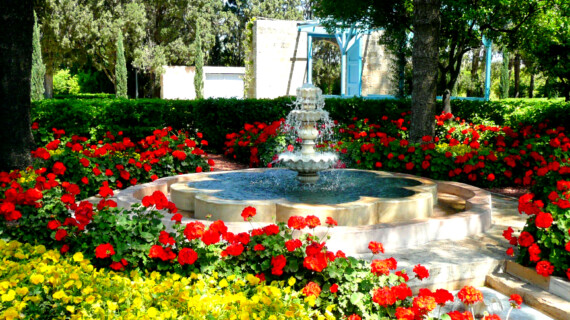
9th Day of Ridván
Context[edit]In 1844 Siyyid ʻAlí-Muhammad of Shiraz proclaimed that he was the “Báb” (Arabic: “Gate”), after a Shiʻa religious concept. His followers were therefore known as Bábís. The Báb’s writings introduced the concept of “He whom God shall make manifest“, a Messianic figure whose coming, according to Baháʼís, was announced in the scriptures of all of the world’s great religions.[5][6]Baháʼu’lláh claimed that his […] Read More


